
Science of Sound
“We speak directly to the cells in the language of the universe, vibration”
- Garret Nitsche, Nepal
How Sound Moves Through the Body
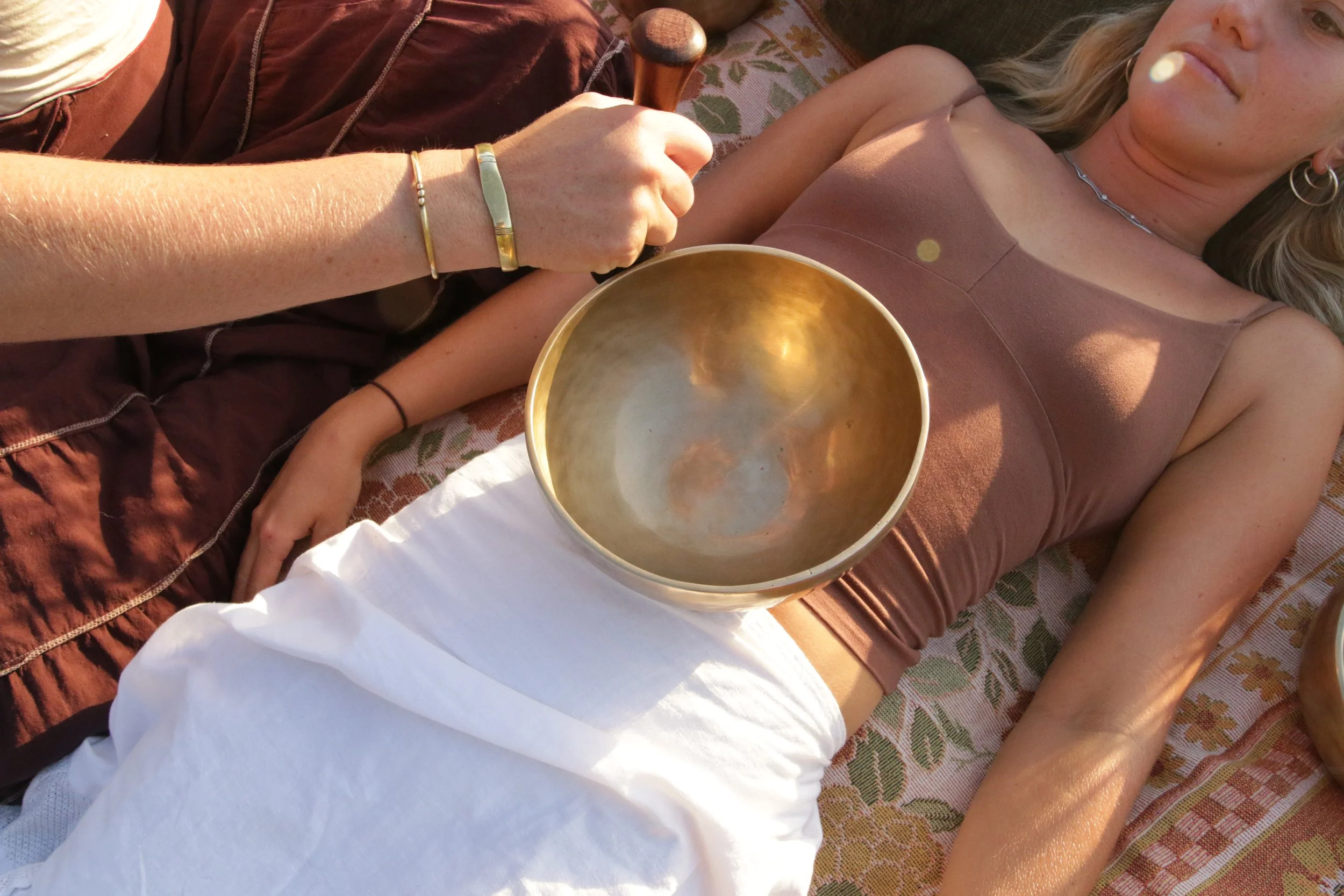
The human body is composed of over 60% water, making it a perfect conductor for sound vibrations. When a bowl is played:
Muscles: Vibrations release tension and stiffness.
Circulation: Blood and lymph flow are stimulated, supporting detoxification and cellular health.
Nervous system: The parasympathetic response is activated, reducing stress and promoting calm.
Energy pathways (nadis): Blockages are cleared, and life force (prana) flows freely.
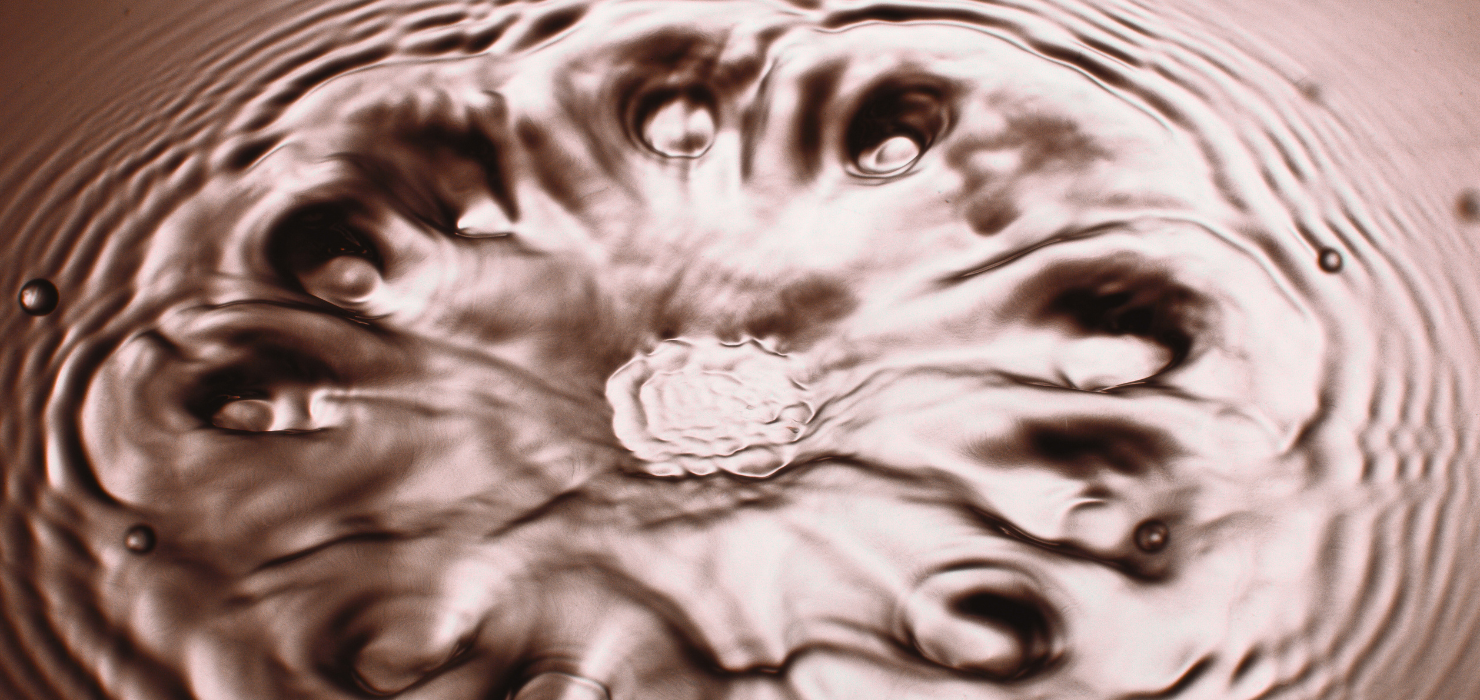
Cymatics, the study of visible sound vibrations, shows how sound shapes matter. Patterns formed in water or sand illustrate how vibrations organise energy and influence both physical tissue and subtle energy fields.
Benefits of Sound Healing
Sound healing works with vibration and resonance to support the body’s natural capacity to rest and rebalance. Each experience is unique, and people may respond in different ways. Sound healing may provide the following benefits:
Physical Benefits:
Help ease muscle tension and physical tightness
Support circulation and the body’s natural restorative processes
Enhances cellular balance and vitality
Encourage nervous system relaxation and a reduction in cortiso
Emotional Benefits:
Support the release of stress and feelings of overwhelm
Create space for mental clarity, focus, and creative thinking
Encourage emotional balance and a sense of inner steadiness
Provide a safe space for emotional processing and release
Energetic Benefits:
Support a sense of balance within the body’s energy centres (chakras)
Help clear stagnant or heavy energy
Encourage the natural flow of prana (life force energy)
Deepen presence and connection to self
Origins & Craftsmanship of Himalayan Singing Bowls
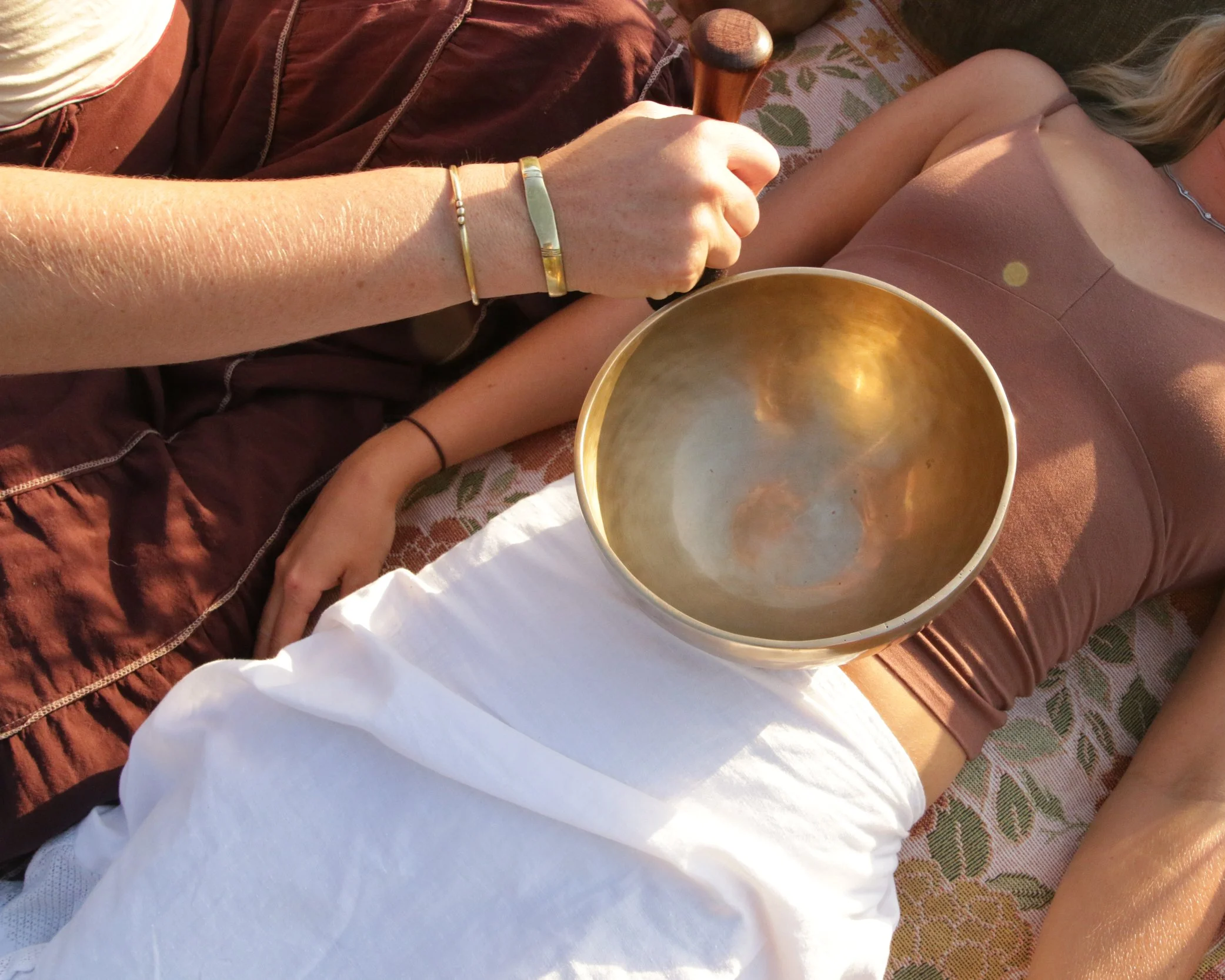
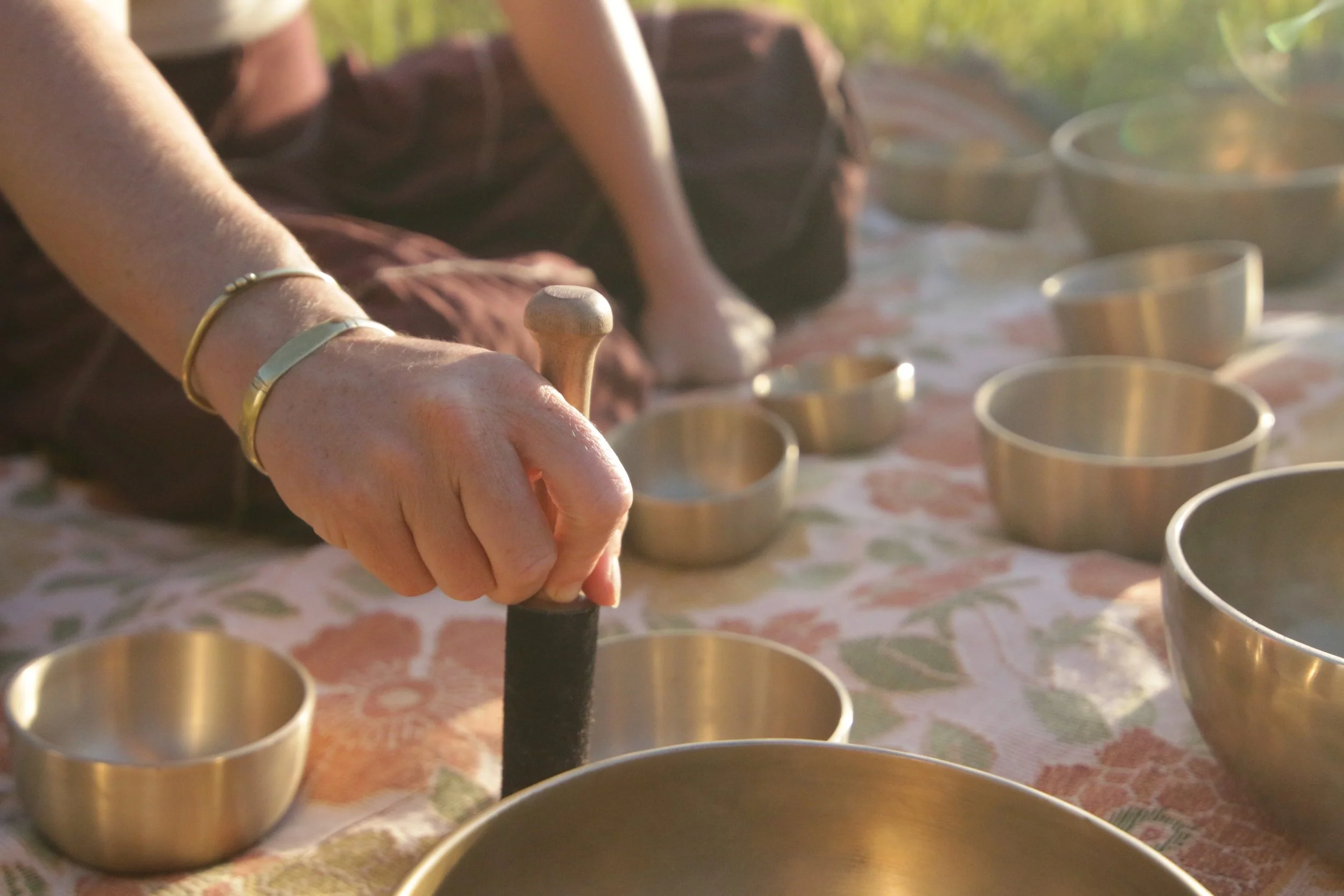
Crafted for over 2,500 years in Nepal and Tibet, Himalayan singing bowls have been used in meditation, ritual, and healing practices. At Return to Samādhi, we use high quality bowls hand-made in Nepal, ensuring each one resonates with rich harmonic overtones that interact deeply with the body and energy system.
Each bowl is made from seven metals—lead, tin, iron, copper, zinc, silver, and gold. Each bowl creates a unique frequency corresponding to a specific chakra (energy centre). These metals, combined with hand-hammered craftsmanship, produce the unique resonance needed to influence both physical and energetic structures in the body.
Brainwave Entrainment
Brainwave entrainment is a highly specialised practice that combines Himalayan singing bowls with precise frequencies to influence brain activity. Developed by Return to Samadhi Trainer Gerrit Nitsche in Nepal, it guides the brain into specific states of consciousness.
By using harmonic overtones from handcrafted bowls, brainwave entrainment naturally synchronises brainwave patterns, allowing participants to enter deeply relaxed, receptive states. This amplifies the physical, emotional, and energetic benefits of sound healing.
This technique is extremely rare, it combines ancient Himalayan craftsmanship with modern neuroscience. While traditional sound therapy is widely practiced, this method is shared by very few teachers worldwide, making it a unique and transformative experience.
FAQ’s
-
Sound healing is for anyone feeling the call to pause.
Whether you’re moving through a busy season, seeking stillness, reconnecting to yourself, or simply curious, these sessions offer a space to soften, rest, and receive.
There is nothing you need to do or achieve — just arrive as you are.
-
Sound healing is generally gentle and suitable for most people, however there are some situations where extra care is recommended.
If you are pregnant, have a history of seizures, sound sensitivity, or a serious medical or mental health condition, it’s best to consult with your healthcare provider before booking. Those with implanted medical devices (such as pacemakers, or recent medical implants) should also seek medical advice.
If you’re unsure, you’re always welcome to reach out to discuss your individual circumstances prior to your session.
-
If you’re unable to visit the centre, there may still be options. Home sessions or private visits can sometimes be arranged, depending on location and availability.
Please reach out to discuss your situation, we’ll explore what’s possible and find the best way for you to experience a session.
Sound healing is adaptable, and the focus is always on creating a safe, supportive space wherever you are.
-
Sound healing sits between ancient practice and emerging research. Some studies suggest that sound and vibration help shift brainwave activity and support the body’s relaxation response, including calming the nervous system.
However, it is not considered a medically proven treatment.
Each experience is unique to the individual.
-
Handmade bowls compromised of the correct metal structure produce rich harmonic overtones that resonate deeply with the body and energy field. Mass-produced bowls cannot achieve the same depth or effectiveness.
-
Cymatics is the study of how sound visually organises matter. Patterns created in water or sand illustrate how vibrations influence physical and energetic structures. Heading to ‘Science of Sound’ for more information.
-
Each metal corresponds to a chakra and celestial vibration, enhancing resonance and promoting energetic alignment.
-
It combines handcrafted Himalayan bowls with precise frequency guidance, a method taught by one man in Nepal. This creates deep meditation states and profound energetic alignment that ordinary sound therapy cannot replicate.